
Daily Affirmations for Mental Health: Boost Your Mindset and Well-being
In the quest for a healthier mind, simple tools can often make the biggest impact. The practice of reciting daily affirmations for mental health is one such tool—a powerful yet straightforward way to challenge negative self-talk and intentionally cultivate a more positive mindset. It’s a method of consciously choosing the thoughts you want to cultivate, helping you build resilience, reduce anxiety, and improve your overall well-being. This guide will explore the science behind affirmations, provide practical examples, and show you how to integrate this practice into your daily life.

The Power of Positive Self-Talk
So, what exactly are affirmations? They are short, positive statements repeated to oneself to influence the subconscious mind and, in turn, your conscious actions and beliefs. Think of it as a mental workout. Just as you train your muscles, you can train your brain to default to more constructive thought patterns.
The science supports this. Research indicates that positive affirmations can activate the brain’s reward centers. This process helps create and strengthen new neural pathways, making positive thoughts more automatic over time. By consistently practicing affirmations, you are essentially rewiring your brain to focus on your strengths and potential rather than your doubts and fears.
How to Make Affirmations Work for You
For affirmations to be effective, they need to feel authentic and be practiced consistently. Here’s how to get started:
- Write Them Down: The act of writing solidifies your intentions. Use them as daily journal prompts for mental health, writing one or two each morning to set the tone for your day.
- Speak Them Aloud: Say your affirmations while looking in a mirror. This can feel strange at first, but it strengthens the connection between the words and your sense of self.
- Keep Them Present: Write your chosen affirmations on sticky notes and place them where you’ll see them—on your laptop, bathroom mirror, or car dashboard. They can serve as powerful mental health daily quotes that re-center you throughout the day.
- Stay Consistent: Try to repeat your affirmations at the same time each day, such as part of your morning routine or just before bed.

What are 10 Affirmations You Could Say Daily?
Starting with a curated list can make the process easier. These ten affirmations cover key areas of self-worth, resilience, and peace. They are designed to be a gentle yet powerful part of your daily mental health check in.
- I am worthy of love and respect just as I am. (For self-worth)
- I am resilient and can navigate any challenge that comes my way. (For strength)
- I release what I cannot control and focus on what I can. (For anxiety)
- My feelings are valid, and I allow myself to feel them without judgment. (For emotional acceptance)
- Today, I choose to be calm and peaceful. (For setting daily intention)
- I am proud of the person I am becoming. (For acknowledging growth)
- I have the power to create positive change in my life. (For empowerment)
- I forgive myself for past mistakes and embrace a fresh start. (For self-compassion)
- I am capable of achieving my goals. (For motivation)
- I am enough, right here, right now. (For radical self-acceptance)
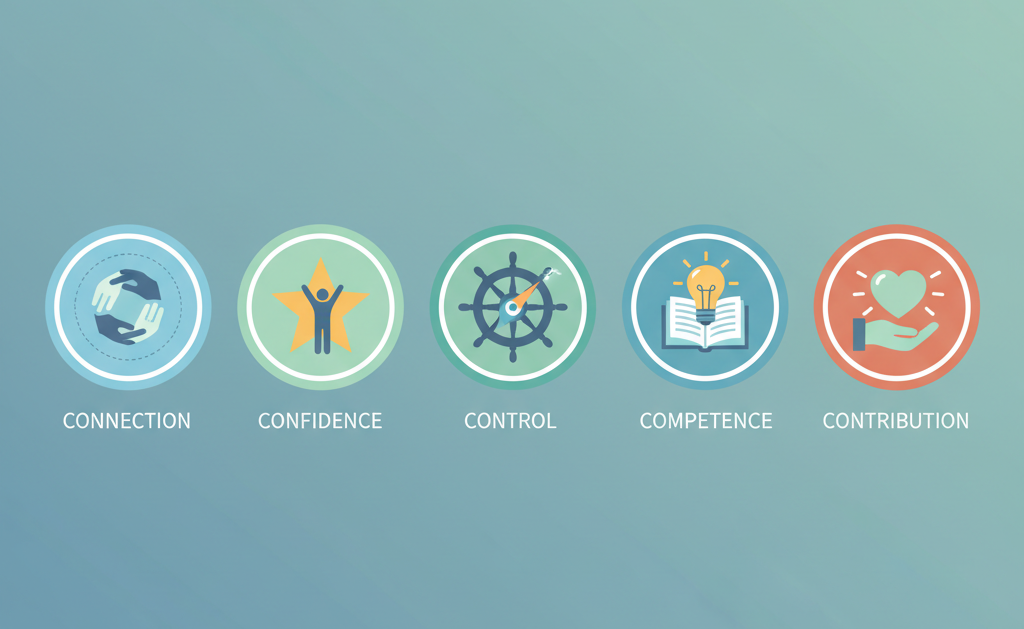
Understanding the “5 C’s of Mental Health”
While not a clinically defined term, the “5 C’s” is a concept sometimes used in wellness circles to simplify the pillars of mental fortitude. These concepts align perfectly with the goals of daily affirmations.
- Connection: Feeling connected to others. (Affirmation: “I nurture my relationships and attract positive connections.”)
- Confidence: Believing in your own abilities. (Affirmation: “I am confident in my skills and my decisions.”)
- Control: Having a sense of agency over your life. (Affirmation: “I am the architect of my life and happiness.”)
- Competence: Feeling capable and effective. (Affirmation: “I learn and grow stronger every day.”)
- Contribution: Feeling that you make a difference. (Affirmation: “My presence and efforts have value.”)
Affirmations are not about ignoring problems but about building the inner strength to face them. For more guidance on building these skills, resources from organizations like the National Alliance on Mental Illness (NAMI) can be incredibly helpful.