
Keys Takeaways: Contractor SEO is local search optimization built for home service businesses: plumbers, electricians, HVAC technicians, roofers and similar trades. The goal is ranking in Google’s Local Pack, organic results and AI Overviews when someone nearby searches for your service. According to Semrush 2025, Google’s AI Overviews appear on 88 percent of informational queries, and local service queries trigger them at a high rate.
The three highest-impact starting points for any contractor are a fully optimized Google Business Profile, one dedicated page per service per city served and a consistent review strategy. Because most competitor contractor sites are thin and poorly structured, a focused 90-day SEO effort produces measurable ranking improvements faster in home services than in almost any other industry.
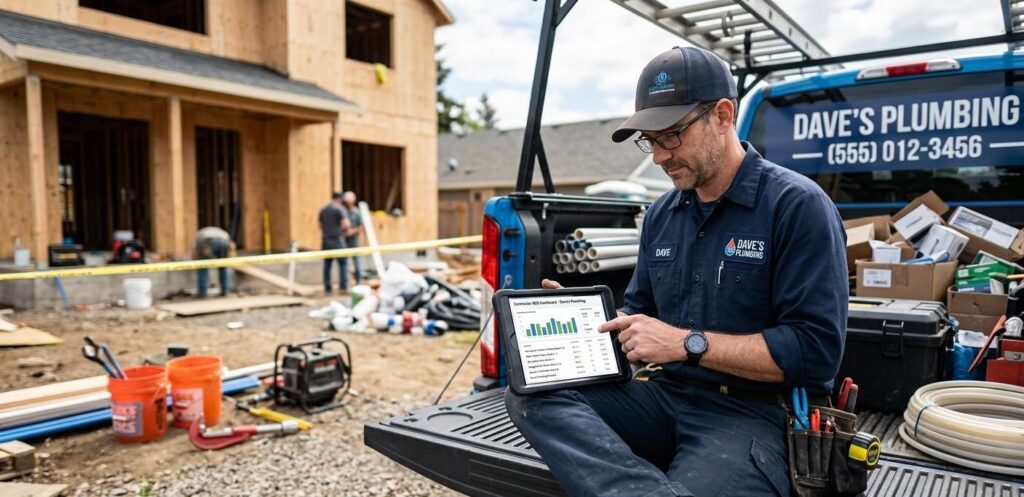
Most plumbers, electricians and HVAC technicians build their first client base through word of mouth. Then referrals slow down and they need a more consistent pipeline. That’s where contractor SEO becomes the question worth answering. The challenge isn’t getting found online in theory. It’s ranking above HomeAdvisor directory listings, Angi pages and the local competitor who has been collecting Google reviews for five years. This post covers what contractor SEO actually requires, which pages your site needs most and how to build a local presence that produces calls rather than just impressions.
Why Contractor SEO Works Differently Than General SEO
Contractor SEO is local by nature. A plumber in Phoenix doesn’t compete with a plumber in Detroit, so their entire keyword universe is city-specific, neighborhood-specific and in most cases intent-specific. Someone searching “emergency plumber Phoenix” is ready to call right now. That immediacy changes which signals matter most. Google prioritizes proximity, relevance and prominence for local queries, so your Google Business Profile, service page structure and review count carry more ranking weight than domain authority or backlink volume.
This is good news for smaller contractors. You don’t need a large budget to outrank a poorly managed competitor in your service area. The local SEO work I cover across home service industries at wajahatamin.com follows the same core logic: complete local signals, specific service pages and a steady flow of recent reviews beat broader SEO efforts every time for trades businesses.
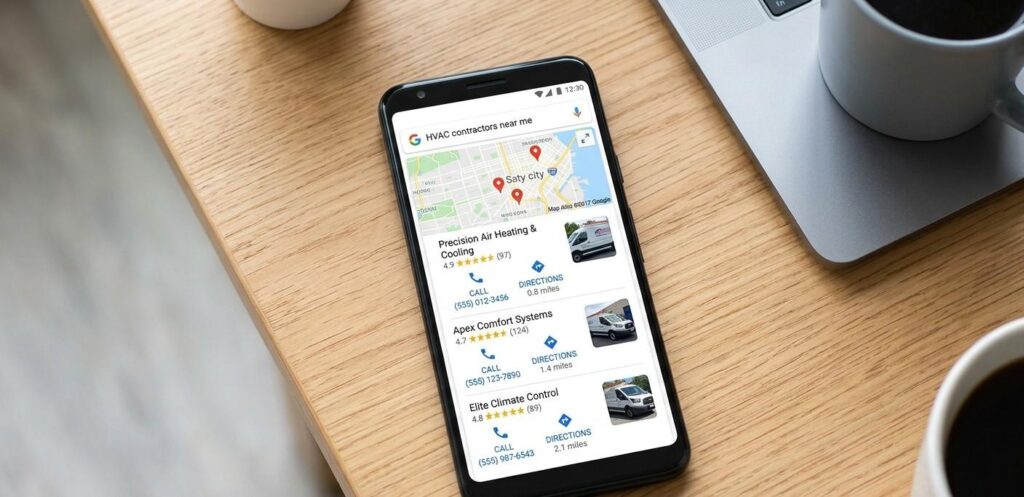
What a Contractor Website Needs to Rank in Local Search
A contractor website needs three things to rank consistently in local search: a complete Google Business Profile with accurate categories, a dedicated page for each core service in each city you serve and enough recent reviews to signal that your business is active and trusted. Miss any of these and rankings plateau regardless of how well the rest of the site performs.
Your Google Business Profile Is the Foundation
Your Google Business Profile is the single most important local ranking asset you own, and most contractors leave it half-finished. Complete every field: business name, address, phone number, primary and secondary categories, service areas, hours and a description that names your core services in plain language. Google’s Business Profile category help page lists which primary category options exist for each trade, and choosing the correct one directly affects which searches your profile appears for.
The same profile principles that drive results for restaurants apply to contractors: as the local SEO guide for restaurants covers in detail, consistent NAP data and active photo posting are non-negotiable signals for any local service business. Post an update or a job photo at least twice per month because profile activity is a freshness signal the local algorithm rewards.
Service Pages That Target One Job and One City
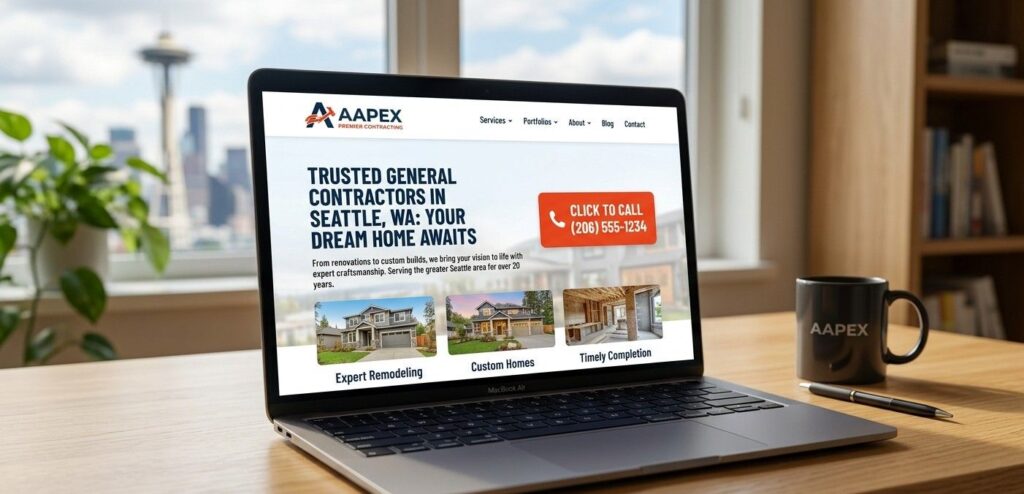
Each core service needs its own dedicated page, not a paragraph on a general “Services” list. “Emergency Plumber in Scottsdale,” “HVAC Tune-Up in Mesa” and “Electrical Panel Upgrade in Tempe” are three separate pages, not three bullet points on one page. Each page should open with a direct answer to the implied question, name the specific service, reference the city and include a call to action above the fold. The post on why city-specific landing pages don’t rank covers the exact structural mistakes that keep those pages invisible, which home service businesses make more consistently than any other industry I work with.
Reviews as a Ranking and Conversion Signal
Review volume, recency and the presence of service keywords in review text all influence local rankings. A contractor with 85 reviews averaging 4.7 stars outranks a competitor with 12 reviews at 5.0 stars in most markets because Google reads volume as a trust signal. After every completed job, ask directly and give the customer the shortest possible path to leaving a review. A text with a direct link converts better than a card with a URL they have to type manually.
How to Compete With HomeAdvisor and Angi on Google
HomeAdvisor and Angi rank well because they build a page for every service in every city and have done so for years. You can’t out-authority them on a broad city-level term. Instead, you compete by going deeper on specific local intent queries that their generic directory pages can’t answer as well as a local expert can.
A HomeAdvisor page for “plumbers in Phoenix” answers nothing specific. Your page for “tankless water heater installation in Chandler AZ” targets a narrower query with a more specific answer, and on that query you’re a more relevant result than a directory listing. According to Ahrefs’ local SEO guide, long-tail local queries with specific service-location combinations consistently show lower competition and higher conversion intent than broad city-level head terms. Start with 5 to 10 service-location combinations where you can genuinely be the most specific result, then build outward from there.
The local SEO and content services I offer for home service clients prioritize this specificity-first structure because it produces faster ranking results than competing on broad terms from the start.
SEO vs Google Ads: Which Should Contractors Invest in First?
For most contractors, Google Local Services Ads produce calls within days while SEO builds a foundation that pays off over 6 to 12 months. They serve different purposes and perform best together rather than as substitutes. However, if budget forces a choice, the answer depends on how quickly you need leads and whether your business has enough reviews to qualify for Local Services Ads.
| Factor | Contractor SEO | Google Ads / LSAs |
| Time to first lead | 3 to 6 months | Days |
| Cost per lead over time | Decreases as rankings hold | Fixed or rising |
| Stops if you pause | No, rankings persist | Yes, immediately |
| Review requirement | Helps rankings | Required for LSAs |
| Best suited for | Long-term pipeline | Fast, short-term leads |
Google Search Console gives you free data on which queries already bring impressions to your site. Start by improving the pages that already show impressions but no clicks. That’s the fastest path to leads from existing SEO work before adding any paid spend. Adding LocalBusiness schema markup to each service page also gives AI engines a structured map of your trade, service area and contact details, which raises the chance your business gets pulled into AI Overview answers for local service queries.
For contractors deciding whether to hire a freelancer or an agency to manage this work, the comparison post on freelance SEO expert vs SEO agency covers the scope and budget trade-offs specific to service businesses. The Semrush local SEO toolkit is also the most practical starting point for auditing citation consistency and local keyword gaps across your current site.
Ready to Get Your Contracting Business Found by Local Customers?
Most contractor websites have the same three problems: an incomplete Google Business Profile, service pages that lump everything together and no review strategy. All three are fixable with a focused effort over 60 to 90 days. If you want a clear plan for which pages to build, which local keywords to target and how to outrank the directories in your specific service area, start the conversation on the contact page and I’ll walk through what your local market looks like before we discuss anything else.
FAQs
Is SEO or Google Ads better for contractors?
Both serve different purposes. Google Local Services Ads produce calls within days but stop the moment you pause your budget. Contractor SEO builds organic rankings that persist and compound over time with a lower cost per lead after the first 6 to 12 months. For most contractors, LSAs fill the short-term pipeline while SEO builds long-term visibility. If budget forces a choice, prioritize getting at least 20 Google reviews first because reviews are required for LSAs and they accelerate organic local rankings at the same time.
How do I compete with HomeAdvisor and Angi on Google?
Target service-location combinations specific enough that directory pages can’t compete on relevance. A dedicated page for “furnace replacement in Naperville IL” beats a HomeAdvisor listing for that query because you’re a local expert with local context and they’re a generic directory. Build one page per service per city, open each with a direct answer to the implied question and add LocalBusiness schema. Long-tail local queries with specific service-location intent consistently show lower competition and higher buyer intent than broad city-level terms.
What is the most important ranking factor for contractors in local search?
Your Google Business Profile is the single most important factor. It controls Local Pack visibility directly, and the Local Pack appears above organic results for most service queries. A complete profile with the correct primary category, active photos, a strong review volume and consistent NAP data across the web outranks competitors with stronger websites but neglected profiles. After your profile, dedicated service pages and review recency are the next two factors that move local rankings in competitive contractor markets.
Should each service have its own page on my contractor website?
Yes. Each core service in each city you serve needs a dedicated page. A single “Services” page with bullet points ranks for nothing specific and converts poorly because it doesn’t match the exact intent of someone searching for one specific job. Separate pages for “water heater repair,” “drain cleaning” and “pipe replacement” each target distinct searches with distinct buyer intent. One page per service per city is the single structural change that produces the clearest ranking improvement for most contractor websites.
How do I get more Google reviews as a contractor?
Ask every customer directly after the job is done. A text message with a direct link to your Google review page converts far better than a follow-up email or a printed card with a URL. Make the process take under 60 seconds for the customer. Respond to every review you receive, positive or negative, because response activity signals an active and managed profile. Aim for at least 2 new reviews per month to maintain the recency signal that local rankings reward consistently over competitors with higher totals but older review dates.