
The Dos and Don’ts of Situational Questions in RP Applications
TL;DR
Passing your whitelist application hinges on how you answer GTA RP situational questions. Don’t just state the rule; demonstrate your understanding by explaining how your character would react within the game’s world. Prioritize the Value of Life (NVL) rule in every scenario, showing you fear for your character’s safety above all else. Avoid powergaming, metagaming, and rule-breaking in your responses. Instead, focus on creating realistic, engaging roleplay that benefits everyone on the server. Write detailed, character-driven answers that prove you are a creative storyteller ready to contribute positively to the community.

Navigating the world of high-stakes Grand Theft Auto roleplay requires more than just knowing how to drive fast and shoot straight. For dedicated servers like NoPixel or popular FiveM communities, gaining entry means passing a rigorous application process. Central to this process are the GTA RP situational questions, designed to test your understanding of roleplay fundamentals, character consistency, and server rules. These questions separate the casual player from the serious roleplayer. This guide offers a comprehensive breakdown of the dos and don’ts, providing you with the essential GTA RP application tips to craft compelling answers and secure your spot in the city.
Understanding the Purpose of GTA RP Situational Questions
Before you can craft the perfect response, you must understand why servers ask these questions. Administrators aren’t just looking for someone who has memorized the server rules. They are searching for players who can think on their feet, stay in character, and contribute to a high-quality, immersive roleplay environment.
These questions serve several key purposes:
- To Test Rule Knowledge: Can you identify and apply core rules like NVL, RDM (Random Death Match), and Powergaming?
- To Evaluate Roleplay Instincts: How do you react to unexpected events? Do you prioritize realism and character development over “winning”?
- To Assess Character Consistency: Does your response align with the character backstory you’ve created? A pacifist character shouldn’t suddenly become a cold-blooded killer.
- To Filter Out Problem Players: Your answers can reveal tendencies toward rule-breaking, trolling, or a poor attitude, helping admins maintain a healthy community.
Essentially, your roleplay scenario answers are your first and most important audition for the server.

The Absolute Dos of Answering Situational Questions
Crafting strong answers is an art form. It requires a blend of rule knowledge and creative thinking. Here’s what you should always do when tackling GTA RP situational questions.
Do: Prioritize the Value of Life (NVL) Rule Above All
This is the golden rule of almost every serious RP server. The Value of Life NVL rule means your character fears death and will act to preserve their life, just as a real person would. When faced with a gun, a threat, or a dangerous situation, your character’s primary instinct should be survival.
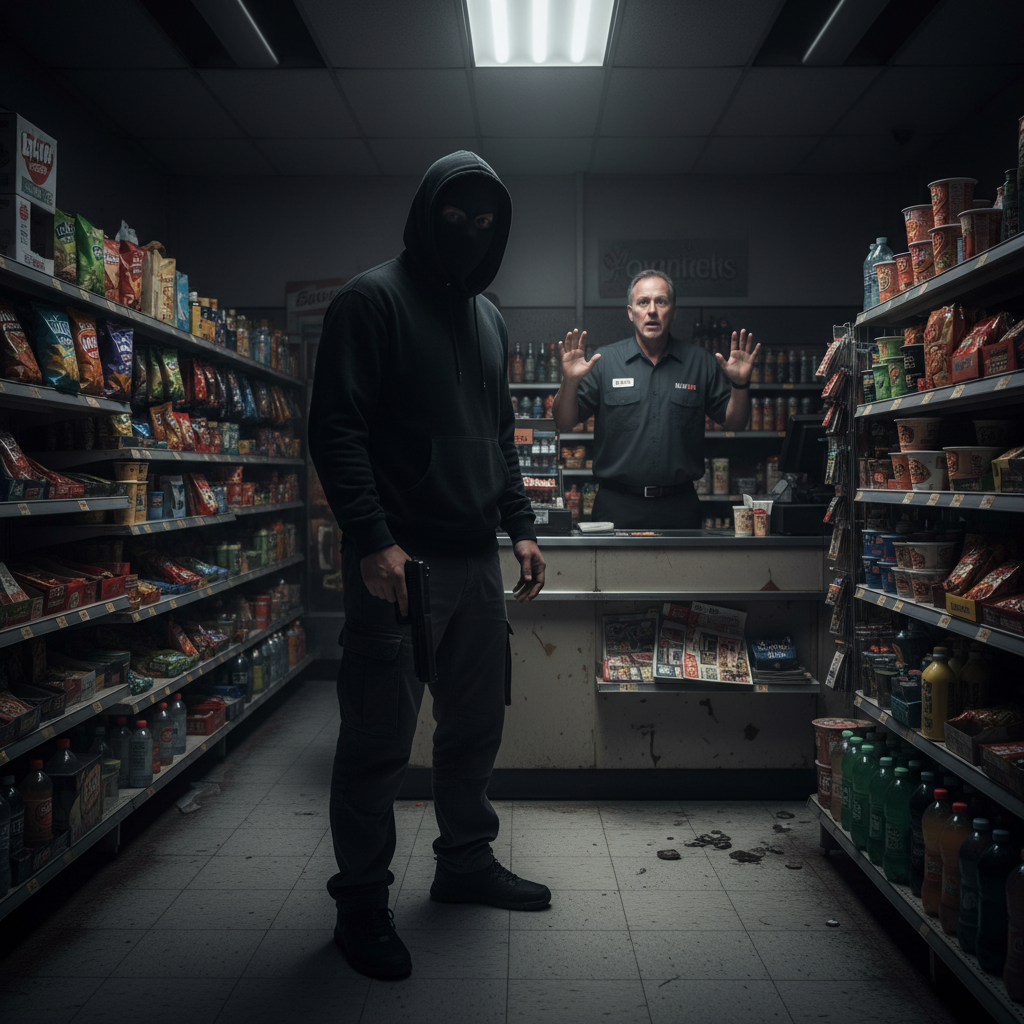
Example Scenario: “You are robbing a convenience store. As you demand money from the clerk, another player enters, draws a gun, and tells you to drop your weapon and put your hands up. What do you do?”
- Don’t Say: “I shoot the new guy because I have a gun too.” This is a classic NVL break. In a real-life standoff, you wouldn’t risk getting shot for a few hundred dollars.
- Do Say: “My character’s heart would be pounding. Seeing a gun pointed at me, my first instinct is survival. I would immediately drop my weapon, raise my hands, and comply with their demands. The money is not worth my life. I would roleplay fear, perhaps stuttering or showing visible panic, and follow their instructions to the letter to ensure I walk away alive.”
This answer not only follows the NVL rule but also demonstrates your ability to create immersive roleplay through character emotion.
Do: Think and Write from Your Character’s Perspective
Admins want to see how your character would act, not how you as a player would game the system. Before answering, put yourself in your character’s shoes. Consider their personality, fears, goals, and history. A well-written backstory is your best tool here. If you need inspiration, consider these 5 secrets to writing a winning GTA RP character backstory.
Example Scenario: “You witness a crime being committed by a well-known gang. They see you. What do you do?”
- Don’t Say: “I run away and call the cops.” This is generic.
- Do Say (for a cowardly character): “My character, a timid accountant named Arthur, would freeze in terror. He’s never seen violence up close. He would avoid eye contact, pretend he saw nothing, and walk away as quickly and calmly as possible. He would be too scared of retaliation to even think about calling the police. For days, he would be paranoid, looking over his shoulder, adding another layer to his anxious personality.”
- Do Say (for a former cop character): “Having a law enforcement background, my character would instinctively take note of details—what they were wearing, the car they used, how many there were. However, knowing the danger of this gang, he wouldn’t confront them directly. He would retreat to a safe distance and then make an anonymous tip to the police, using his knowledge to provide valuable information without putting a direct target on his back.”
Do: Show, Don’t Just Tell
This is a fundamental principle of good writing and great roleplay. Instead of just stating which rule you are following, describe your character’s actions and internal thoughts to show you understand it.
Example Scenario: “You’re in a car chase with the police. Your car is heavily damaged and smoking. What do you do?”
- Don’t Say: “I would stop because continuing would be unrealistic.”
- Do Say: “With smoke pouring from the hood and the car barely responding to the steering wheel, my character would realize the chase is over. The fear of the engine exploding would override any desire to escape. I would slow the car to a stop, put my hands on the steering wheel where the officers could see them, and prepare for the consequences. I would roleplay the frustration and defeat of being caught.”
This response paints a picture and immerses the reader in the moment. It provides one of the most effective FiveM whitelist application answers.
The Critical Don’ts of Your Application
Just as important as knowing what to do is knowing what to avoid. A single bad answer can get your application denied instantly. Here are the pitfalls to steer clear of when answering GTA RP situational questions.
Don’t: Powergame or Metagame in Your Answers
These are two of the biggest sins in roleplay.
- Powergaming is forcing actions on another player without giving them a chance to react (e.g., “I disarm him and knock him out”). It also includes using mechanics in an unrealistic way (e.g., bunny-hopping to run faster).
- Metagaming is using out-of-character (OOC) information your character wouldn’t know. This includes information from streams, Discord, or seeing another player’s nameplate.
Example Scenario: “You see a player you know from a Twitch stream who is an undercover cop. What do you do?”
- Don’t Say: “I would avoid them or try to expose them because I know they’re a cop from the stream.” This is blatant metagaming.
- Do Say: “My character would have no idea about this person’s role. I would interact with them based solely on how they present themselves in-game. If they act like a regular citizen, my character would treat them as such. The OOC information from the stream is irrelevant to my character’s actions and knowledge.”
Demonstrating a firm grasp of these concepts is essential for anyone looking for a NoPixel application guide. Top-tier servers have zero tolerance for these behaviors.
Don’t: Give Short, Vague, or Low-Effort Answers
A one-sentence answer signals that you are not invested in the process or the community. It suggests you might be a low-effort roleplayer. Your application is your chance to impress; use it.
Example Scenario: “Explain a time you had to use /me and /do. What is the difference?”
- Don’t Say: “/me is for actions and /do is for the environment.”
- Do Say: “/me is used to describe your character’s actions that aren’t possible with in-game animations. For example: /me reaches into his pocket and pulls out a worn leather wallet. /do is used to describe the state of an object or the environment, or to clarify a roleplay situation. It should state facts. For example, if someone used /me checks the wallet for ID, I could respond with /do You would find a driver’s license for ‘John Smith’. This distinction is crucial for clear and collaborative storytelling.”
Providing detailed and clear explanations shows you are a knowledgeable and thoughtful player.
Don’t: Break Character or Refer to Rules OOC
Your answers should always be from your character’s perspective. Avoid stepping out of character to explain the rule you are following. The admins can see you understand the rule through your character’s actions.
Example Scenario: “A player robs you and takes all your money. What do you do?”
- Don’t Say: “I would let them take it to follow the NVL rule. Then I would report them if they did it wrong.”
- Do Say: “Being held at gunpoint, my character’s only thought is survival. He would be terrified and would quickly hand over all his money and possessions, pleading with the robber not to hurt him. After the robber leaves and he feels safe, the character’s reaction would depend on his personality. He might be angry and seek revenge through legal (or illegal) channels, or he might be traumatized and become more cautious in the future. The event would become a part of his story.”
This answer keeps the focus on roleplay and character development, which is exactly what server admins want to see.

Examples of Situational Questions in Roleplay Applications and How to Ace Them
Let’s dissect a few more common examples of situational questions in roleplay applications.
Scenario 1: The Accidental VDM
“You are driving and accidentally hit a player with your car. They are injured but not dead. What are your immediate actions?”
- Good Answer: “My immediate reaction would be one of panic and concern. I’d slam on the brakes and get out of the car. My first roleplay action would be to check on the injured person using /me checks their pulse and looks for visible injuries. I would immediately call for an ambulance and police, providing our location and explaining it was a terrible accident. I would stay on the scene and roleplay with the victim and the emergency services when they arrive, accepting the in-character consequences, whether it’s a fine or losing my license.” This shows responsibility and a commitment to roleplay even when you make a mistake.
Scenario 2: The Confrontation
“Another player is insulting your character in a public place. They are not breaking any rules, just being an antagonist. How does your character respond?”
- Good Answer: “This depends heavily on my character’s temperament. If my character is hot-headed, he might fire back with insults of his own, escalating the verbal conflict but never throwing the first punch (to avoid breaking RDM rules). If my character is timid, he might try to de-escalate, ignore the person, or simply walk away from the confrontation. The key is to react in a way that is true to my character’s personality and creates a compelling scene rather than just shutting down the roleplay.”
Finalizing Your Application
After you’ve written your answers, take the time to review them. Check for spelling and grammar errors. Read them aloud to ensure they flow well. Ask yourself: “Does this application represent me as a serious roleplayer?” If you’re a professional looking to bring your skills into the digital space, your application should reflect that dedication. My own journey as a B2B marketing expert has taught me that clear, persuasive communication is key in any field.
Your FiveM whitelist application answers are a testament to your potential. They show admins that you’re not just another player looking for a sandbox of chaos; you are a storyteller, a collaborator, and a valuable addition to their community. By following these dos and don’ts, you will be well on your way to acing those tricky GTA RP situational questions. Remember that your portfolio of work, whether in gaming or your career, speaks volumes about your capabilities, something I always emphasize in my own portfolio.

Key Takeaways
- Value of Life (NVL) is Paramount: Always act as if your character wants to live. Comply with credible threats.
- Stay In-Character: Answer all GTA RP situational questions from your character’s point of view, using their personality and backstory to guide their actions.
- Show, Don’t Tell: Describe your character’s actions, thoughts, and feelings to demonstrate your understanding of the rules, rather than just stating them.
- Avoid Powergaming and Metagaming: Never force actions on others or use out-of-character information to gain an advantage.
- Be Detailed and Thorough: Short answers show a lack of effort. Elaborate on your responses to prove you are a thoughtful and dedicated roleplayer.
- Embrace Consequences: Roleplay is about the story, not winning. Show that you are willing to deal with the in-character consequences of your actions, whether positive or negative.
- Roleplay Over Rules: While rules are the framework, your goal is to create a story. Focus on what would make the most interesting and realistic scenario within those rules.
FAQs
1. The Robbery
You are walking down the street when a masked individual approaches you, points a gun at your head, and demands you give them all your money and valuables. What do you do?
My character’s immediate reaction would be driven by self-preservation, fully respecting the Value of Life (NVL) rule. With a gun pointed at my head, the threat to my life is credible and immediate. I would slowly raise my hands to show I am not a threat and will comply. Would use /me to describe my character’s fear, such as /me begins to tremble, eyes wide with panic. I would then tell the robber, “Okay, okay, take it easy. You can have whatever you want.” I would follow all of their instructions precisely, handing over my money and any requested items.
Character’s life is more valuable than any possession. After the robber leaves and I am safe, my character’s response would depend on their personality. They might run to the police, seek revenge, or become more paranoid in the future, allowing the event to shape their ongoing story. Understanding fundamental rules like NVL is critical, and many communities provide guides that explain these core concepts. You can often find a good GTA RP Rules and Terminology Guide to brush up on the basics.
2. Witnessing a Crime
You turn a corner and witness a deal between two rival gangs go bad. Gunshots are fired, and they see you watching. What are your actions?
In this scenario, my character recognizes the immense danger they are in. They have just witnessed a violent crime involving organized criminals who are now aware of their presence. My primary goal is to get away without being seen as a threat or a future witness. I would immediately try to break line of sight, ducking back around the corner or into a nearby alley. I would roleplay my character’s fear, keeping my head down and moving quickly but quietly away from the area.
The last thing my character would do is confront them or make it obvious they are calling the police. Once I’ve reached a safe location, I would have to make a decision based on my character’s morals. Are they the type to make an anonymous tip to the police, risking potential discovery? Or are they too terrified of retaliation to get involved at all? This decision would create a significant point of character development.
3. Out-of-Character (OOC) Information
You are watching your favorite streamer play on the same server. In their stream, you see them preparing to set up an ambush at the docks. Your character is currently at the beach nearby. What do you do with this information?
I would do absolutely nothing with this information. Using knowledge gained outside of the game (from a stream, Discord, or forums) to influence your in-character actions is known as Metagaming, and it is a serious rule break on all reputable RP servers. My character has no in-character reason to know about an ambush at the docks.
Therefore, I would continue roleplaying as if I had no knowledge of the event. My character would continue their activities at the beach, and if they were to leave, their destination would be based on their own in-character goals, not on the OOC information I possess. Maintaining the separation between player knowledge and character knowledge is essential for fair and immersive roleplay. This is a common topic in forum discussions, where players share observations and scenarios to help others learn. You can often find threads like New Player, Observations, Questions, RP Scenarios, etc. that provide insight into community expectations.
4. The Car Crash
You are speeding down the highway and lose control of your vehicle, accidentally crashing into another player’s car. Both of you are alive but injured, and both vehicles are heavily damaged. What are your next steps?
My first action would be to roleplay the immediate aftermath of the crash. My character would be disoriented and injured. I would use /me to emote actions like /me groans in pain, clutching their head before checking on the other person involved. I would get out of my car, if possible, and approach the other driver to check on their well-being, using emotes like /me limps over to the other car, checking on the driver’s condition.
The next step would be to call for emergency services (EMS and police) and report the accident. I would remain on the scene, cooperate fully with the authorities and medical personnel, and accept the in-character consequences, which could include fines, loss of my driver’s license, or even jail time. This turns a simple accident into a valuable roleplay opportunity for everyone involved, including police and EMS responders.
5. Unrealistic Actions (Powergaming)
You are in a fistfight with another player. In your application, you stated your character is a former special forces soldier. How would you roleplay taking them down?
Even though my character has advanced combat training, I cannot force actions onto another player. This is known as Powergaming. I would not use an emote like /me performs a complex disarm and knocks the other player unconscious. Instead, I would roleplay my character’s attempts, giving the other player a chance to react. For example, I could use /me, using their training, attempts to sweep the opponent’s legs.
The other player can then roleplay their response—either they successfully dodge it, or they are knocked off balance. Roleplay is a collaborative effort. My character’s skills give them an advantage and inform how they fight, but they do not guarantee success. The outcome is determined by the back-and-forth roleplay between both players.
6. The Disagreement
Another player is verbally antagonizing your character in a bar. They are not breaking any server rules, but they are being insulting and trying to provoke a reaction. How do you respond?
My response would be dictated entirely by my character’s personality. A hot-headed character might trade insults back, escalating the verbal conflict but stopping short of physical violence to avoid rule-breaking. A charismatic character might try to de-escalate the situation with humor or by buying the antagonist a drink. A timid or non-confrontational character might simply choose to ignore the insults and walk away, ending the interaction. The key is to create an engaging scene that is true to my character. Simply resorting to violence or logging off would shut down a good roleplay opportunity.
7. Joining a Whitelisted Server
This is a whitelisted server that requires an application. Why do you want to join this community specifically, and what kind of roleplayer are you?
This question is designed to see if you have done your research and are genuinely interested in the server’s specific community and style of roleplay. A good answer would mention specific aspects of the server that appeal to you—perhaps its focus on serious roleplay, its unique economy, or its active police department.
I would describe myself as a roleplayer who prioritizes collaborative storytelling and character development over “winning.” I would explain that I am looking to create a long-term character whose story can grow and evolve through interactions with others. For those new to this process, many content creators offer tutorials on how to navigate the application process, such as this Guide on How to Join a Whitelisted Server, which provides valuable steps for getting started.
8. The Ambiguous Command
You are being held hostage. The captor tells you, “Don’t move a muscle.” A few moments later, a police car pulls up, and the captor gets distracted. What do you do?
This scenario tests your ability to interpret threats and value your life. The command was “don’t move,” and the threat (the captor with a weapon) is still present, even if they are distracted. A real person in this situation would likely be too terrified to attempt an escape, as the slightest movement could get them killed. My character would remain completely still, roleplaying intense fear and anxiety. I would wait for either a clear opportunity to escape (e.g., the captor being neutralized by police) or a direct command from law enforcement. Attempting a heroic escape would be unrealistic and a break of the NVL rule.
9. Finding an Exploit
You discover a bug in the server that allows you to duplicate items in your inventory. What is your course of action?
I would immediately and privately report the bug to the server’s administration or development team through the proper channels (usually a ticket system or a specific Discord channel). I would not use the exploit for my own gain, nor would I share the information with other players in the game. Abusing an exploit ruins the server’s economy and the integrity of the game for everyone. A good roleplayer understands that their responsibility extends to helping maintain a fair and stable environment. My character would have no knowledge of this “bug,” as it’s a game mechanic, so their actions would remain unaffected.
10. The Goal of Roleplay
In your own words, what is the primary goal of roleplaying on a server like this?
The primary goal of roleplaying is to collaboratively create and participate in immersive stories. It’s not about winning or accumulating the most money or power, but about developing a believable character and interacting with others to build a dynamic, living world. Every action should be aimed at enhancing the story for everyone involved. This includes following the rules, embracing both positive and negative consequences for your character, and creating engaging scenarios.
The most rewarding experiences come from the unexpected character arcs and relationships that develop through high-quality interactions. Running a server and maintaining this quality is a challenge, and some owners have written about the difficult balance between accessibility and quality control, which gives insight into the mindset of server administrators. You can explore this perspective in articles like The Whitelist Dilemma.