
How to Save Money Fast on a Low Income
Learning how to save money fast on a low income can feel like trying to squeeze water from a stone, but it is entirely possible with the right strategy. You don’t need a six-figure salary to build a financial cushion; you just need to be tactical about where every dollar goes. This guide cuts through the fluff and delivers actionable, modern advice for anyone living paycheck to paycheck. We will cover budgeting methods that actually work, clever ways to slash expenses immediately, and how to automate your savings so you don’t even have to think about it.

The Reality of Saving with Limited Funds
Saving money isn’t about deprivation; it’s about prioritization. When you have a smaller income, the margin for error is slim. A single unexpected car repair or medical bill can derail months of progress. That is why speed matters. You need to build an emergency fund quickly to break the cycle of financial stress.
The good news is that the principles of wealth building apply to everyone, regardless of their paycheck size. By focusing on high-impact changes rather than just skipping your morning coffee, you can see results in your bank account within weeks, not years.
1. Audit Your Spending Like a Hawk
Before you can save, you need to know exactly where your money is leaking. Most people think they know where their money goes, but the data often tells a different story.
Track Every Penny
For the next 30 days, track every single transaction. You can use a notebook or apps like Mint or YNAB. You might be surprised to find that “small” purchases are eating up 10% of your take-home pay.
The “Zero-Based” Budget
Give every dollar a job before the month begins. This is a core principle taught by financial experts like Ramsey Solutions. If you make $2,500 a month, your budget should account for exactly $2,500 across bills, savings, and spending. If you have $0 left over on paper, you won’t accidentally spend money you don’t have.
2. Slash Your “Big Three” Expenses
Many articles suggest cutting coupons to save pennies. While that helps, saving fast requires targeting your biggest expenses: Housing, Transportation, and Food.
Housing Hacks
- Negotiate Rent: If you are a good tenant, ask for a freeze on rent increases or a small discount in exchange for signing a longer lease.
- House Hacking: If you have a spare room, consider a roommate. Even short-term rentals can generate hundreds of extra dollars a month.
Transportation Costs
- Shop for Insurance: Car insurance rates fluctuate. Spend an hour getting quotes from different providers; you could save $50-$100 a month immediately.
- Carpool or Public Transit: If you can replace even two driving days a week with a cheaper alternative, you save on gas and wear and tear.
Groceries on a Budget
Food costs are the easiest variable expense to control.
- Meal Plan: Never enter a grocery store without a list.
- Generic Brands: Switch to store brands for staples like rice, beans, and pasta. They are often produced in the same factories as name brands.
- Avoid Convenience: Pre-cut veggies and individual snack packs cost a premium. Do the prep work yourself.
3. Automate to Accumulate
Willpower is a limited resource. If you have to manually transfer money to savings at the end of the month, you likely won’t do it because there won’t be anything left.
The “Pay Yourself First” Method
Set up an automatic transfer from your checking to your savings account for payday. Even if it is just $25 or $50, moving it immediately forces you to live on the remainder.
Banks often offer features to help with this. For example, some apps round up your purchases to the nearest dollar and deposit the difference into a savings account. It’s painless, and it adds up fast.
4. Eliminate “Vampire” Costs
Vampire costs are recurring subscriptions and fees that suck the life out of your budget silently.
- Streaming Services: Do you need Netflix, Hulu, and Disney+? Rotate them. Subscribe to one for a month, binge your shows, cancel, and switch to another.
- Bank Fees: If your bank charges a monthly maintenance fee, switch banks. There are too many free options available to pay for the privilege of them holding your money.
- Unused Gym Memberships: Be honest with yourself. If you haven’t gone in three months, cancel it. You can run outside for free.

5. Increase Your Income (Even Slightly)
There is a limit to how much you can cut, but no limit to how much you can earn. When looking at how to save money fast on a low income, boosting the “income” side of the equation is often the missing link.
Gig Economy
You don’t need a second full-time job. Platforms like DoorDash, TaskRabbit, or Upwork allow you to work whenever you have a few spare hours. An extra $100 a week is $400 a month straight into savings.
Sell Unused Items
Look around your house. Clothes you don’t wear, electronics gathering dust, or old furniture can be turned into cash quickly via Facebook Marketplace or Poshmark.
6. The 50/30/20 Rule Modified
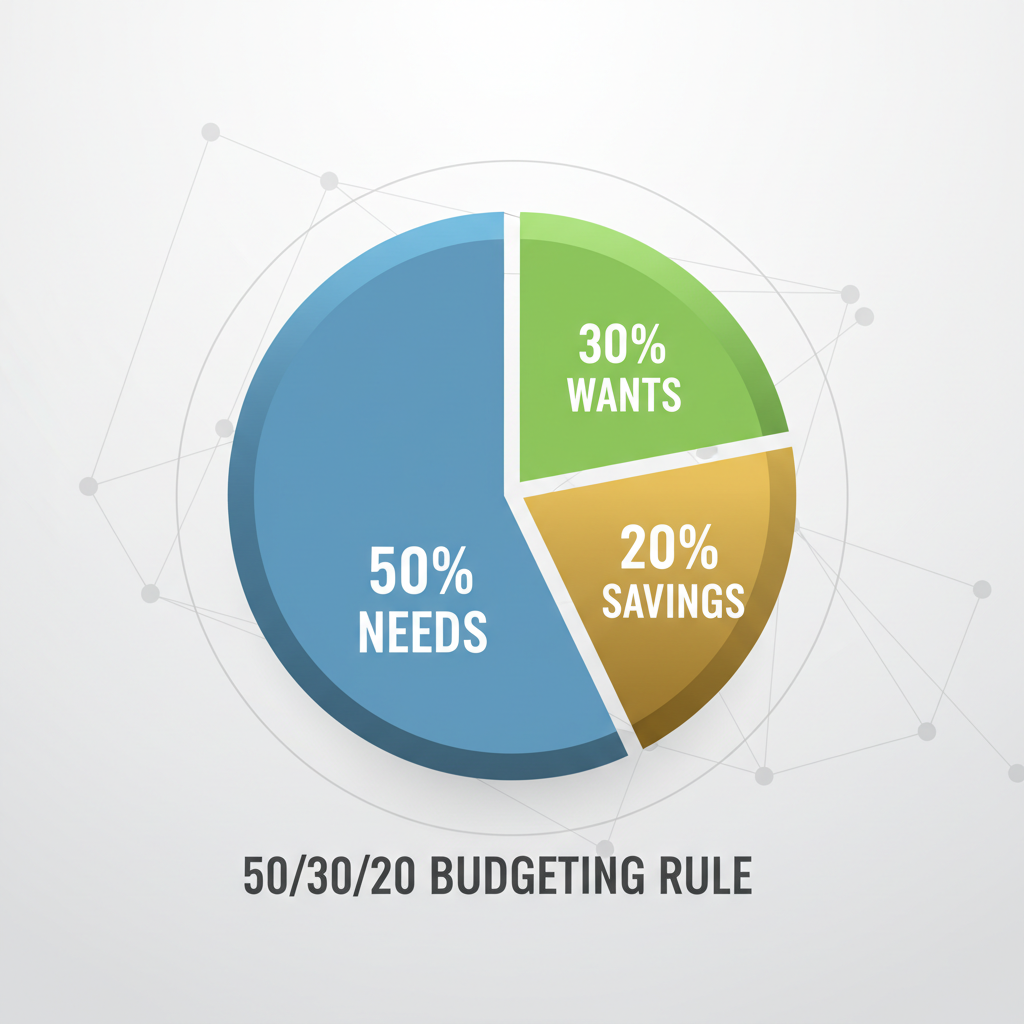
The standard 50/30/20 rule (50% needs, 30% wants, 20% savings) might not work when income is tight. Experts at Spruce often suggest modifying these ratios to fit your reality.
Try the 70/20/10 Split:
- 70% Needs: Rent, utilities, food, transportation.
- 20% Debt/Savings: Paying off high-interest debt or building an emergency fund.
- 10% Wants: You still need a little room for fun to prevent burnout.
7. Utilize Community Resources
There is no shame in using resources designed to help. If you qualify for assistance, use it. This frees up cash flow that can be directed toward stabilizing your financial future.
- Food Pantries: Utilizing a local food pantry once a month can save you $100-$200 on groceries.
- Energy Assistance: Check if your local utility company offers programs for low-income households to lower heating and cooling bills.

Conclusion
Learning how to save money fast on a low income is a challenge, but it is not impossible. It requires a shift in mindset from passive spending to active management. By tracking your expenses, cutting major costs, and automating your savings, you can build a safety net even on a tight budget.
Start today. Pick one action from this list whether it’s canceling a subscription or setting up an auto-transfer and do it now. Your future self will thank you.
Actionable Next Steps
- Download a budgeting app and link your accounts today.
- Call one service provider (internet or insurance) and ask for a lower rate.
- Set up an automatic transfer of $20 to your savings account for your next payday.