
Home Gym Workouts: The Complete Guide to Building Strength and Fitness at Home
Tl;Dr: This comprehensive guide breaks down everything you need to know about creating effective home gym workouts. We cover essential equipment, specific routines for beginners to advanced lifters, and tips for staying motivated without a commercial gym membership. By following these strategies, you can build muscle, burn fat, and achieve your fitness goals right from your living room.
Why Choose Home Fitness?
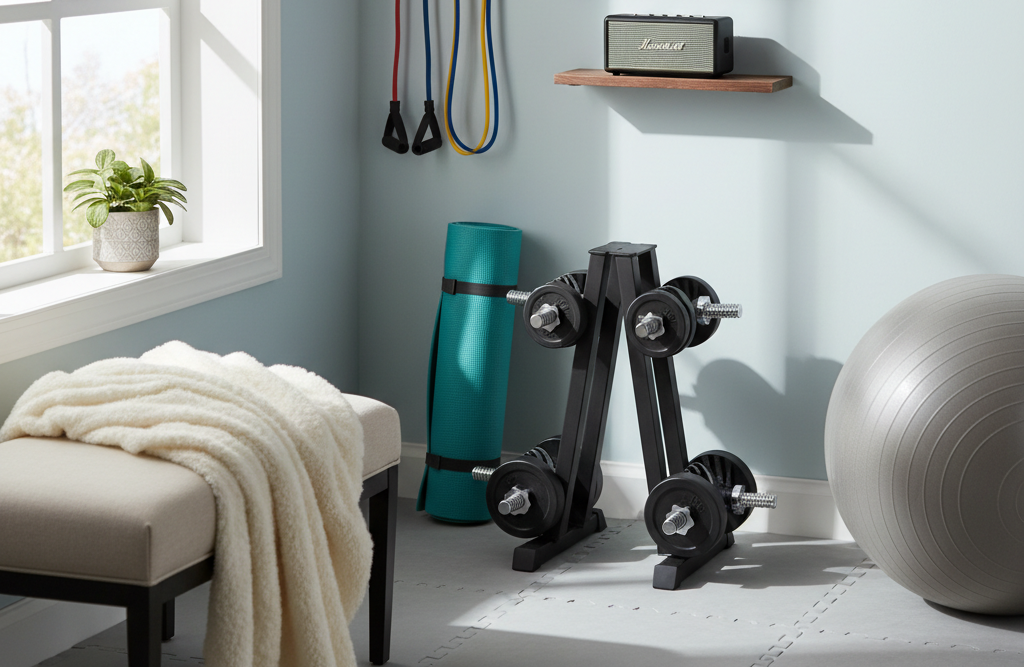
The purpose of this blog is simple: to empower you to take control of your health through accessible, consistent exercise. We aren’t just listing exercises; we are providing a roadmap for integrating fitness into your daily life. Whether you have a fully equipped garage gym or just a yoga mat in the corner of your bedroom, this guide will show you how to maximize your space and time.
Gone are the days when a “real workout” required a commute to a crowded fitness center. Home gym workouts have revolutionized how we approach physical health, offering flexibility that traditional gyms simply cannot match. We will explore the equipment you actually need, specific routines to follow, and the mindset required to succeed.
Setting Up Your Space for Success
Before diving into the sweat sessions, you need a dedicated environment. You don’t need a massive budget, but you do need intention. A designated space helps your brain switch into “training mode.”
One essential item is a quality home gym workout mat. This isn’t just for yoga; it protects your floors from weights, provides traction during high-intensity intervals, and offers cushioning for core work. Without a proper surface, you risk slipping or feeling uncomfortable during floor exercises, which can kill your motivation quickly.
Consider the atmosphere as well. Good lighting, a mirror to check your form, and a Bluetooth speaker for your playlist can make a significant difference. According to Harvard Health Publishing, creating an environment you enjoy is crucial for long-term adherence to any exercise program.
Structuring Your Routine: The Fundamentals
Consistency beats intensity every time. To get results, you need a plan. Walking into your workout space without a strategy often leads to wasted time and lackluster results.
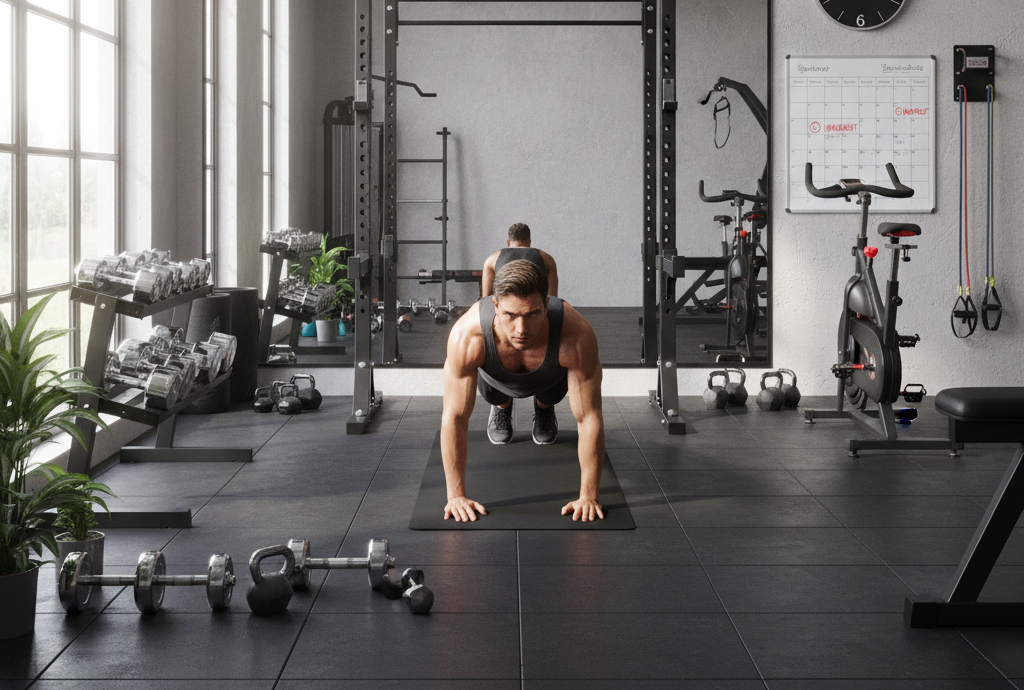
We recommend using a home gym workout chart or a digital log. Visualizing your progress is a powerful motivator. A chart allows you to track reps, sets, and weights lifted, ensuring you are applying progressive overload—the key principle behind muscle growth and strength gains.
The Warm-Up
Never skip the warm-up. Spend 5-10 minutes increasing your body temperature and mobilizing joints. Dynamic movements like arm circles, leg swings, and bodyweight squats prepare your nervous system for the work ahead.
The Best Workouts for Home Gym Environments
Depending on your goals, your training style will vary. However, most people benefit from a mix of resistance training and cardiovascular work. Here is how to break it down.
1. Full-Body Circuit Training
This is excellent for burning calories and building endurance. Select 5-6 exercises targeting different muscle groups. Perform them back-to-back with minimal rest.
- Goblet Squats
- Push-ups
- Dumbbell Rows
- Lunges
- Plank
2. Strength Focus (Upper/Lower Split)
If you have heavier weights, splitting your days allows for more recovery. A dedicated home gym upper body workout might look like this:
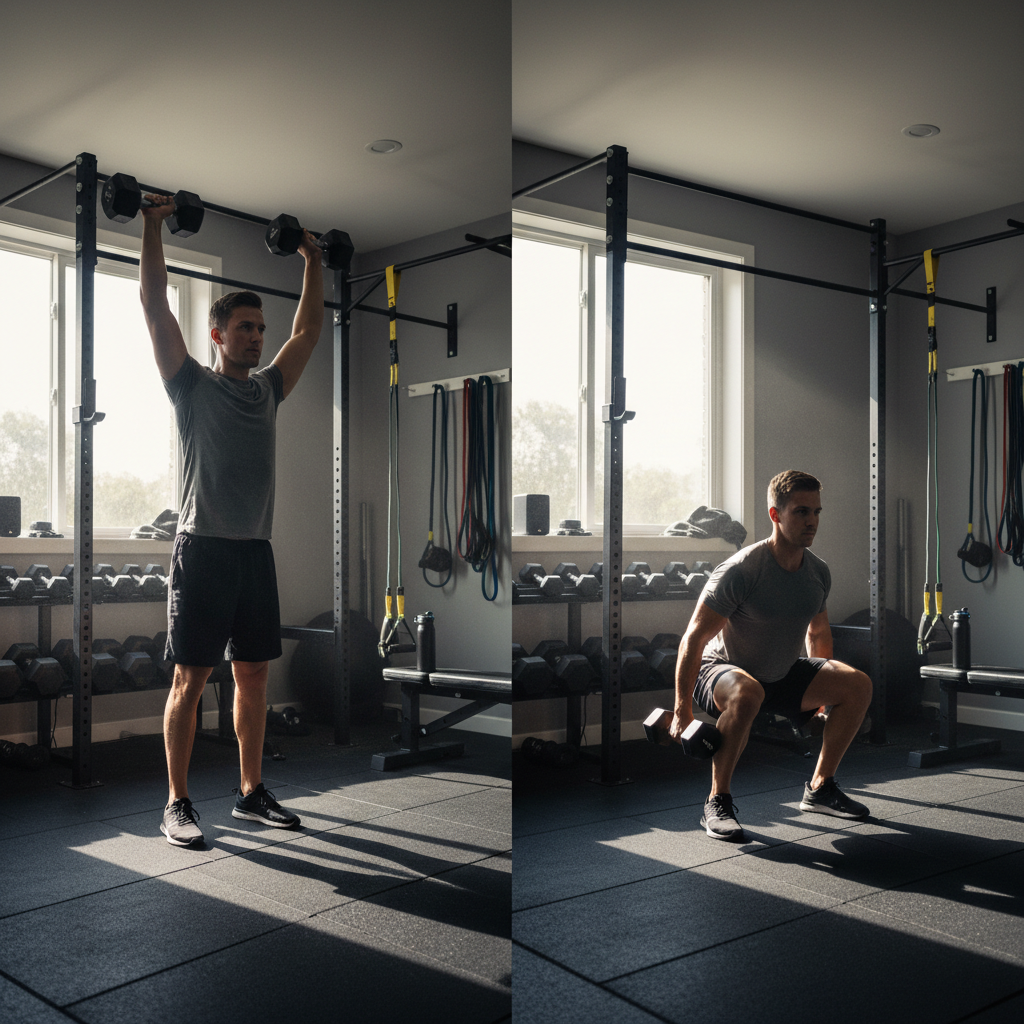
- Overhead Press (Dumbbell or Barbell)
- Bent-over Rows
- Floor Press (if you don’t have a bench)
- Lateral Raises
- Bicep Curls
Research from the American Council on Exercise suggests that splitting workouts can help manage fatigue and allow for higher intensity on specific muscle groups.
Designing a Workout Routine for Home Gym Success
Creating a sustainable workout routine for home gym setups requires understanding your schedule. If you can train four days a week, an Upper/Lower split is ideal. If you only have three days, full-body sessions are superior because you hit every muscle group more frequently.
Here is a sample 3-day Full Body Plan:
Monday:
- Squat variation (3 sets of 10)
- Push-up or Bench Press (3 sets of 10)
- Dumbbell Row (3 sets of 12)
Wednesday:
- Deadlift variation (3 sets of 8)
- Overhead Press (3 sets of 10)
- Lunge variation (3 sets of 12 per leg)
Friday:
- Glute Bridges (3 sets of 15)
- Pull-ups or Lat Pulldowns (3 sets to failure)
- Dips or Tricep extensions (3 sets of 12)
Essential Equipment vs. “Nice to Have”
You might wonder if effective workouts for home gym spaces require expensive machines. The answer is no. Free weights are generally superior for building functional strength.
Must-Haves:
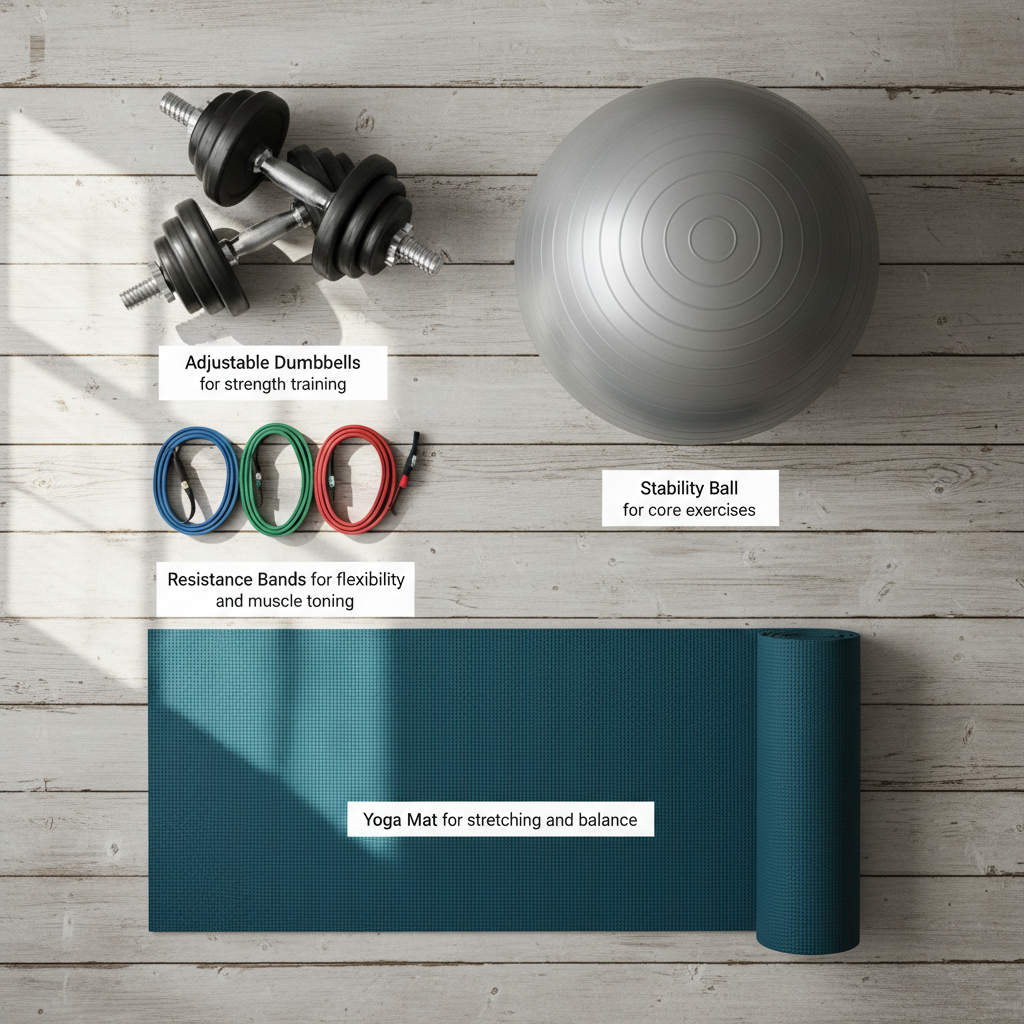
- Adjustable Dumbbells: These save space and offer a wide range of resistance.
- Resistance Bands: Perfect for warm-ups, mobility, and adding tension to lifts.
- Stability Ball or Bench: Increases the variety of exercises you can perform.
Nice-to-Haves:
- Squat Rack and Barbell: Essential for heavy lifting but requires space.
- Kettlebells: Great for dynamic, explosive movements.
- Cardio Machine: A rower or bike is convenient for rainy days, though running outside is free.
According to the Mayo Clinic, you can perform effective strength training using just your body weight, but adding external resistance helps you avoid plateaus.
Staying Motivated Without the Crowd
One disadvantage of home gym workouts is the lack of external motivation. There are no other gym-goers to push you. You must rely on internal discipline.
To combat this, treat your workout times like important business meetings. Schedule them in your calendar and do not cancel on yourself. Joining online communities or following a virtual program can also provide a sense of camaraderie. Many athletes find that listening to podcasts or high-energy playlists helps them stay focused during solo sessions.
If you are looking for more in-depth guides, personalized coaching tips, or want to explore further fitness strategies, visit wajahatamin.com to take your training to the next level.
Key Takeaways
- Consistency is King: A simple plan followed consistently beats a perfect plan followed sporadically.
- Environment Matters: Invest in a home gym workout mat and set up a dedicated space to mentally prepare for training.
- Track Progress: Use a home gym workout chart to ensure you are getting stronger over time.
- Variety: Mix full-body circuits with specific splits like a home gym upper body workout to prevent boredom and overuse injuries.
- Minimal Equipment: You don’t need machines; adjustable dumbbells and bands are sufficient for a powerful workout routine for home gym success.