
7 Reasons to Use AI Search Optimization Tools for Smarter SEO in 2026
Tl;Dr
The landscape of digital marketing is shifting rapidly, making traditional SEO methods less effective on their own. This post explores why use AI search optimization tools to stay competitive, highlighting benefits like enhanced keyword research, predictive analytics, and content optimization for AI overviews. By integrating these advanced tools, you can future-proof your strategy and secure better visibility in search engine results pages (SERPs).
Understanding The Shift to AI-First SEO
The purpose of this guide is to demystify the rapidly evolving world of search engine optimization. We are moving past the era of simple keyword stuffing and backlink counting. Today, search engines like Google use complex artificial intelligence to understand user intent, context, and satisfaction. This blog delves into the critical reasons you need to adapt your strategy now. We will explore how AI tools not only automate tedious tasks but also provide deep insights that human analysis simply cannot match at scale. If you are wondering why use AI search optimization tools for your business, you are about to discover how they serve as the backbone of modern digital visibility.
1. Unmatched Precision in Keyword Research
One of the primary reasons marketers turn to AI is for its ability to process vast amounts of data. Traditional keyword research often involves guesswork or relying on historical data that might be outdated by the time you publish.
AI tools, however, analyze real-time search patterns. They can predict trending topics before they peak. By using machine learning algorithms, these tools identify long-tail keywords and semantic variations that you might miss manually. This precision allows you to target the exact phrases your audience uses. When you understand the intent behind the search, you can craft content that answers specific questions, increasing your chances of ranking.
According to Search Engine Journal, AI is transforming how we approach keyword strategy, moving from volume-based metrics to intent-based analysis.
2. Why Use AI Search Optimization Tools for Content Relevance?
This brings us to our main keyword: why use AI search optimization tools? The answer lies in content relevance. Search engines are prioritizing content that comprehensively covers a topic.
AI optimization tools analyze the top-ranking pages for your target keywords. They break down the structure, word count, and semantic terms used by your competitors. Then, they provide a blueprint for creating content that is objectively better and more comprehensive. This isn’t about copying; it is about understanding the “content gap.”
Tools like Surfer SEO or Clearscope use Natural Language Processing (NLP) to suggest related terms that help Google understand your content’s context. By naturally weaving in these terms, you signal to search engines that your content is an authority on the subject.
3. Optimizing for Google AI Overviews
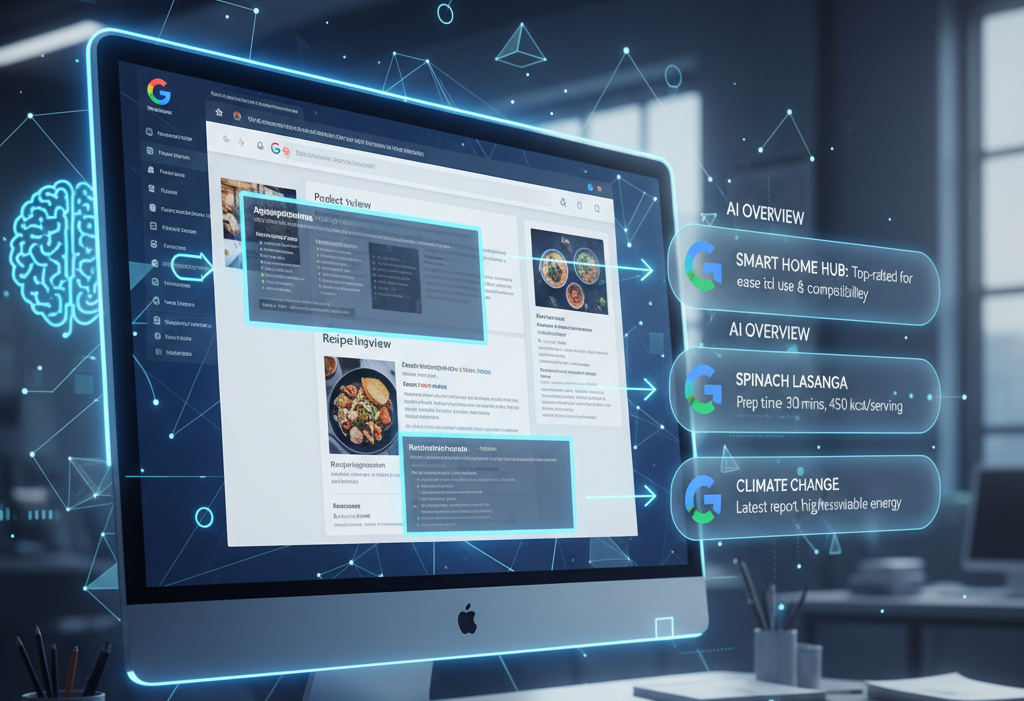
With the introduction of Google’s Search Generative Experience (SGE), optimizing for “position zero” or AI snapshots is crucial. This is where best practices for optimizing content for google ai overviews come into play.
AI tools help you structure your data effectively. They suggest schema markup and formatting that make it easier for AI algorithms to parse your content. If you want your brand to appear in these AI-generated summaries, your content needs to be direct, factual, and well-structured.
AI-driven platforms can simulate how a search engine views your page. They highlight complex sentences or unclear paragraphs that might confuse a bot. By simplifying your language and using clear headings, you increase the likelihood of being featured in these prime spots.
4. Predictive Analytics and Trend Forecasting
Imagine knowing a trend is about to explode before it happens. AI tools use predictive analytics to forecast search trends. This allows you to create content proactively rather than reactively.
Instead of waiting for a monthly report to see what went wrong, AI provides real-time insights. You can adjust your strategy on the fly. For instance, if an AI tool detects a sudden spike in interest for a specific feature of your product, you can immediately create a blog post or landing page to capture that traffic. This agility is a significant competitive advantage in crowded markets.
Resources from HubSpot suggest that marketers using predictive AI are far more likely to see a positive ROI on their content efforts compared to those who do not.
5. Enhanced User Experience (UX) Analysis
SEO is no longer just about text; it is about the user’s experience on your site. Google’s Core Web Vitals are a testament to this. AI tools can analyze user behavior on your site more deeply than standard analytics.
Heatmaps and AI-driven session recordings show you exactly where users get frustrated. Do they rage-click on a broken link? Do they drop off after the first paragraph? AI analyzes these patterns to suggest UX improvements.
Improving site speed, mobile responsiveness, and navigation based on AI recommendations directly impacts your rankings. A smooth user experience keeps visitors on your page longer, reducing bounce rates and signaling to Google that your site is high-quality.
6. Automated Technical SEO Audits
Technical SEO can be daunting. Broken links, duplicate content, and crawl errors can silently kill your rankings. Manual audits are time-consuming and prone to human error.
AI crawlers scan your website 24/7. They identify technical issues the moment they arise. More importantly, they prioritize these issues based on their impact. You don’t just get a list of errors; you get a roadmap for fixing them.
For example, an AI tool might alert you that your new product page has a “no-index” tag accidentally applied, saving you from lost revenue. By automating the health of your website, you free up time to focus on strategy and creativity.
7. Tracking Brand Sentiment and Mentions
Understanding how your brand is perceived online is a vital part of off-page SEO. This is where the best ways to track brand mentions in ai search become essential.
Traditional alerts might catch direct mentions, but AI tools analyze sentiment. They can tell you if a mention is positive, negative, or neutral. They can also identify unlinked mentions—where your brand is discussed but not linked to.
Reaching out to these sources to request a link is a powerful link-building strategy. AI streamlines this process by identifying the highest-value opportunities. Furthermore, understanding sentiment helps you manage your reputation, which is an indirect ranking factor. Trust and authority are pillars of E-E-A-T (Experience, Expertise, Authoritativeness, and Trustworthiness).
The Future-Proof Solution for Your Business
To wrap up, the digital terrain is becoming increasingly complex. Relying solely on manual efforts is like bringing a knife to a gunfight. You need to leverage technology to scale your efforts and gain deeper insights.
The solution is to build a tech stack that includes robust AI SEO software. Start small if you need to—perhaps with a content optimization tool or an AI-powered keyword researcher. As you see the efficiency gains, expand your toolkit. Remember, the goal is not to replace human creativity but to augment it with data-driven precision.
By understanding why use AI search optimization tools, you are taking the first step toward a more resilient and successful digital marketing strategy.
If you are looking to dive deeper into digital strategies or need personalized advice on setting up your AI toolset, check out wajahatamin.com for more resources and expert guidance.

Key Takeaways
- Precision and Speed: AI tools process data faster than humans, offering real-time keyword insights and trend predictions.
- Content Relevance: They help bridge the content gap by suggesting semantic keywords and structural improvements.
- Future Readiness: Optimizing for AI overviews and voice search is easier with AI-driven structural recommendations.
- Technical Health: Automated audits ensure your site remains technically sound without constant manual checking.
- Smart Analytics: Predictive analytics allow for proactive strategy adjustments rather than reactive fixes.